

A trial using goat grazing to control difficult scrub species at Penhale Dunes has begun. Three English goats arrived at the Military Training Area in August, delivered from a smallholding near Bodmin. Thorn, Bracken and Bramble are settling in well to their new home, where they are currently free to roam within a large fenced-off area.
The next step is for them to be trained using Nofence collars, which involves each animal wearing a solar-powered GPS collar around its neck. The collar tracks the animal’s location and keeps it contained within a ‘virtual pasture’ that can be defined by Jon Cripps, the ranger looking after them. Jon says, “My initial impression of the goats is really encouraging. They’ve been going straight for blackthorn and bramble and are getting up on their hind legs to browse willow, so they’re eating what I hoped they would.”
A financial contribution from the Making Space for Sand Project has enabled surveying and monitoring of the trial area, to assess the impacts the goats have. This will lead to the production of a report to help inform grazing decisions on dune sites both locally and nationally.
-
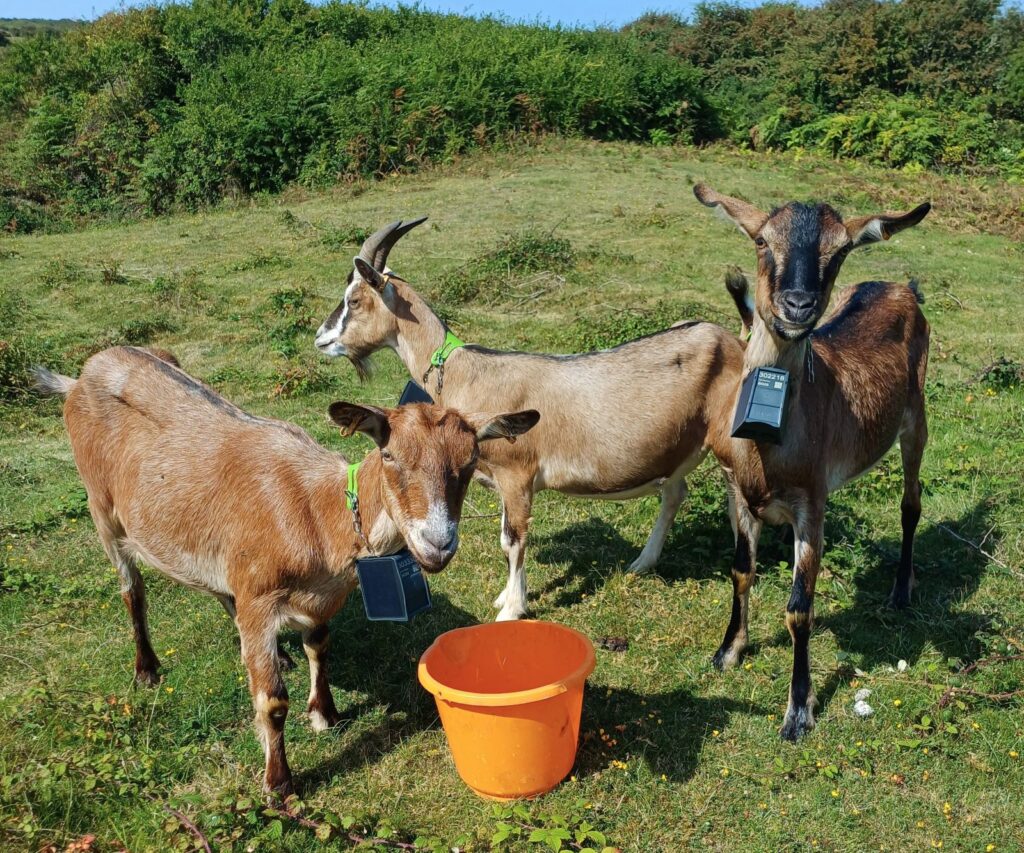
- Bramble, Thorn and Bracken settle into their new home
-
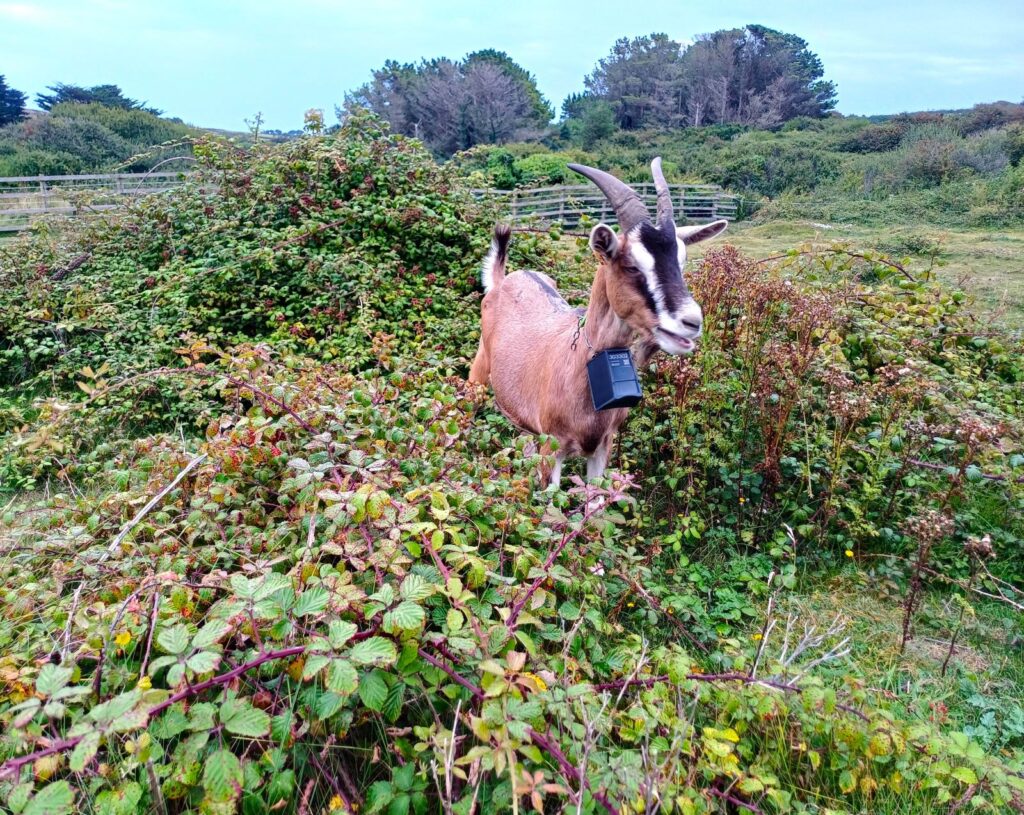
- Thorn tackles some of the bramble that can cover large areas of sand dunes


Making Space for Sand News and Events
We like to keep supporters of our project well informed of project progress and developments. We also want to share news of events which are happening and have happened and celebrate coastal community involvement.


Sign up to Making Space for Sand
If you would like to get involved in helping to make dunes more resilient and biodiverse, want to help develop coastal adaptation and emergency plans or just want to know more about what the project is learning about coastal change, please click here: